The 12 Most Awful Products Made By Monsanto
By this point, the reasons why this international agrochemical and agricultural business is such a burning issue have been more than well-substantiated. In fact these have been so well-grounded that it led to organizing the March against Monsanto, a global march in order to protest against the attitude and actions taken by this company. Nevertheless, this article aims at disclosing some of the most damaging products that Monsanto has at least had a share in putting on the market. Some of these are still supported by Monsanto.
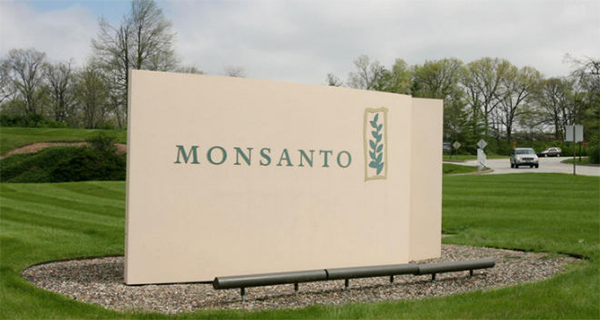
There is a list below of the 12 most terrible products made by Monsanto initially compiled by GMO Awareness:
1. Saccharin
What is it? – An artificial sweetener, plain saccharin originated around the 1800s, but its demand as an alternative to sugar did not rise until the 20th century –owing greatly to the struggles of Monsanto whose original purpose was to be the Coca-Cola saccharin supplier.
Why is it bad? – Although at first it was much liked for its sweetness minus the calories, in the 1970s saccharin was strongly disapproved of after a study discovered that saccharin led to cancer in test mice. As a result it was listed on the NIH’s carcinogen list. Nevertheless, increasing pressure resulted in the study being overlooked as inconsistent in its findings and the sweetener being taken off the list. It can still be found in numerous consumer products.
Where is it being used? – Candies, cookies, drinks, gum, fruit spreads, medicines, toothpaste etc.
2. PCBs
What is it? – PCBs (polychlorinated biphenyls) are part of a group of manufactured organic chemicals known as chlorinated hydrocarbons. Monsanto first used these in the 1920s to manufacture coolant fluids for widely used electric transformers, capacitors and electric motors. These were nationally produced from 1929 to 1979 when they were banned.
Why is it bad? – Apart from being identified as a cause of cancer, PCBs are also known to have a serious impact on the immune, reproductive, nervous and endocrine system.
Where is it being used? – Although PCBs have been out of use since 1979, their harm continues as confirmed by a 2011 study which showed that these dangerous chemicals are still found in the blood of pregnant women. Before they were banned, PCBs were found in widely used items including, but not limited to: plastics, adhesives, cable insulation, caulking and oil-based paints.
3. Polystyrene
What is it? – Polystyrene is a synthetic polymer and it is still widely used to date. In 1941 polystyrene production became Monsanto’s main focus.
Why is it bad? – Not only is polystyrene non-biodegradable, but it’s also held accountable for the bulk of total global toxic waste. It’s proven that continuous exposure to it leads to depression, headache, fatigue and weakness.
Where is it being used? – Although it’s used almost everywhere, it’s most commonly found in food packaging where it is known as Styrofoam. The reason why it is so widely used is because it is more long-lasting than paper and most cost-effective than plastic (though it isn’t more beneficial for the environment).
4. Nuclear Weapons
As these don’t ask for much explanation as to what they are, why they are bad or where they are being used, the thing that matters is Monsanto’s involvement. Soon after taking over Thomas & Hochwalt Laboratories, Monsanto established a department that would be crucial for the Manhattan project from 1943 to 1945. The Manhattan Project stood behind the production of the first atomic bombs for the Second World War.
5. DDT
What is it? – A commonly used pesticide, DDT or dichlorodiphenyltrichloroethane, was aimed at destroying malaria-transmitting mosquitoes. Monsanto came about to be one of the first producers of the insecticide that would later come under rigorous examination.
Why is it bad? – Although it was prohibited in 1972, DDT has been associated with liver damage, reproductive issues and short-term damages to the nervous system amongst others.
Where is it being used? – As DDT usually takes over 15 years to dissolve, it is still found in some soils and a lot of watercourses. It can more than probably enter our bodies through consuming contaminated fish, crops or through atmospheric deposition.
6. Dioxin
What is it? – Chemically-related compounds, dioxins are a presumably one of the most toxic chemicals known to science. In 1945 Monsanto became involved when the company began marketing the use of chemical pesticides in farming.
Why is it bad? – In addition to the fact that an EPA report concluded that dioxins as a cancer risk to humans, these chemicals are particularly harmful because of their ability to accumulate in the food chain.
Where is it being used? – Dioxins are not actually used, but instead found in meat and dairy products due to how incorporated they’ve become within the food chain.
7. Agent Orange
What is it? – Primarily used as a form of chemical warfare during the Vietnam War, Agent Orange is a herbicide/ defoliant. Monsanto chanced to be one of the two major producers of this fatal weapon.
Why is it bad? – Agent Orange is held accountable for over 400,000 deaths and 500,000 birth defects with over a million affected with health disorders of some kind. The matter with Agent Orange rested in its dioxin contamination – an issue Monsanto was apparently acquainted with when the company sold it to the US Government for use in war.
Where is it being used? – In Vietnam the consequences of Agent Orange are still suffered although a formal clean-up effort was made in 2012. Shockingly, some chemicals in Agent Orange can still be found in certain herbicides used today.
8. Petroleum-Based Fertilizers
What is it? – Petroleum-based fertilizers, as the name suggests, are a kind of a substance applied to soils or plant tissues to enhance their quality. After purchasing a major oil refinery in 1955, Monsanto became directly involved.
Why is it bad? – Petroleum-based fertilizers have demonstrated detrimental effects on beneficial soil micro-organisms. This eventually leads to soil sterilization making it fully reliant on an external stimulant in order to produce.
Where is it being used? – As these fertilizers are known to provide farmers a greater control of what they grow and how it results, they are used in farms worldwide.
9. RoundUp
What is it? – RoundUp herbicide, otherwise known as Glyphosate (which is a major constituent of Monsanto’s RoundUp herbicide) is the most widely used herbicide worldwide. In 1970 Monsanto established their agricultural chemicals department and RoundUp was their much valued herbicide.
Why is it bad? – Several studies have linked Glyphosate to cancer owing to its properties as a possible endocrine disruptor -chemicals that can impede the hormonal system of mammals. These disruptors lead to birth defects, development disorders and cancerous tumors.
Where is it being used? – As RoundUp is approved and still widely used today as a weed killer, it is found in our groundwater, soil, streams and even the air.
10. Aspartame
What is it? – Similar to saccharin, this artificial sweetener plays the role of a sugar substitute in food and drinks. After taking over the major aspartame manufacturer in 1985, Monsanto got directly involved.
Why is it bad? – Instead of going further into this, it’s recommended that you go through any of the following articles linked to aspartame:
1. Aspartame Damages The Brain At Any Dose
2. The Shocking Story of How Aspartame Became Legal
3. Aspartame: The Bitter Truth Behind This Toxic Sweetener
Where is it being used? – Still widely used, aspartame is found in diet sodas, gum, sauces, drink powders, yogurts, cereals and many more.
11. Bovine Growth Hormone (rBGH)
What is it? – rBGH is a genetically modified hormone injected into dairy cows to stimulate more milk production manufactured by Monsanto.
Why is it bad? – Apart from artificially increasing milk production, rBGH also raises pus levels, antibiotic residues and a cancer accelerating hormone called IGF-1. Consumed by humans it still acts as a cancer accelerator and has been associated with breast, colon and prostate cancer.
Where is it being used? – Still used to date, rBGH is routinely injected into dairy cows every two weeks.
12. GMOs
What is it? – This asks for no justification as it’s widely known that Monsanto is behind it. Monsanto took their actions under the pretenses of helping ‘feed the world’ in the early 1990s, and these continue to date.
Why is it bad? – What makes GMOs bad is best learnt in the following articles:
1. New Study Links GMOs To Cancer, Liver/Kidney Damage & Severe Hormonal Disruption
2. 10 Scientific Studies Proving GMOs Can Be Harmful To Human Health
3. 5 Myths That GMO Companies Want You To Believe
Where is it being used? – GMOs are predominant in a number of crops but most frequently in sugar beets, tomatoes, squash, golden rice, potatoes, corn, soybeans, salmon and animal feeds.
Sources: www.realfarmacy.com
http://collective-evolution.com
http://gmo-awareness.com/2011/05/12/monsanto-dirty-dozen/
http://www.theglobeandmail.com/life/health-and-fitness/health/reality-check-the-raw-truth-about-saccharin/article18871937/
http://www.epa.gov/wastes/hazard/tsd/pcbs/about.htm
http://greenliving.lovetoknow.com/How_Styrofoam_is_Bad_for_the_Environment
http://www.britannica.com/EBchecked/topic/362098/Manhattan-Project
http://www.epa.gov/pbt/pubs/ddt.htm
http://www.ejnet.org/dioxin/
http://www.publichealth.va.gov/exposures/agentorange/
http://www.scientificamerican.com/article/how-fertilizers-harm-earth/
http://www.collective-evolution.com/2014/03/04/roundup-herbicide-found-in-75-percent-of-air-rainfall-test-samples/
http://articles.mercola.com/sites/articles/archive/2014/04/16/aspartame-diet-soda.aspx
http://www.naturalnews.com/035141_aspartame_worst_sources_products.html#
http://www.ejnet.org/bgh/nogood.html
